



Table of Contents
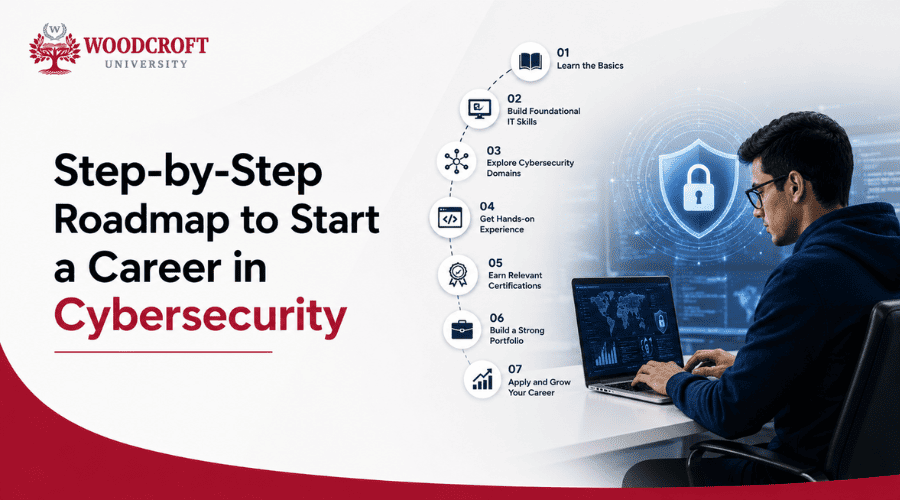
Step 1: Understand the Basics of Cybersecurity Step 2: Learn Essential Cybersecurity Skills Step 3: Choose the Right Cybersecurity Career Path Step 4: Get Relevant Education or Certifications Step 5: Build Hands-On Experience (Projects & Labs) Step 6: Learn Popular Cybersecurity Tools & Technologies Step 7: Create a Strong Resume and Portfolio Step 9: Prepare for Cybersecurity Interviews Step 10: Keep Learning & Stay Updated in Cybersecurity Top Certifications to Boost Your Cybersecurity Career Best Online Platforms to Learn Cybersecurity Common Mistakes Beginners Should Avoid Salary Expectations in Cybersecurity (India & Global) Future Scope of Cybersecurity Careers in 2026 and Beyond Tips to Grow Faster in Cybersecurity Field Conclusion:In today’s digital world, cybersecurity has become one of the most in-demand and future-proof career options. With the rapid growth of technology, businesses and individuals are constantly at risk of cyber threats such as hacking, data breaches, and ransomware attacks. This has created a massive demand for skilled cybersecurity professionals across industries.
Choosing a career in cybersecurity offers not only job security but also excellent salary packages, global opportunities, and continuous learning. Whether you are a student, a fresher, or someone looking to switch careers, cybersecurity provides a clear and rewarding path.
The best part? You don’t always need a traditional IT background to start. With the right roadmap, dedication, and skills, anyone can build a successful career in cybersecurity.
What is Cybersecurity? A Beginner-Friendly Explanation
Cybersecurity is the practice of protecting systems, networks, and data from digital attacks. These attacks are usually aimed at accessing, changing, or destroying sensitive information, extorting money, or interrupting business processes.
In simple terms, cybersecurity is like a digital security guard that protects your online world. It includes various domains such as network security, application security, information security, and ethical hacking.
For beginners, understanding cybersecurity starts with knowing how hackers think and how systems can be protected. The field is vast, but once you grasp the basics, you can choose a specialization that matches your interest.
Step 1: Understand the Basics of Cybersecurity
The first step in starting a career in cybersecurity is building a strong foundation. Before jumping into advanced tools and techniques, you need to understand the core concepts.
Start by learning:
-
Basic computer networking (IP addresses, DNS, HTTP/HTTPS)
-
Operating systems (Windows, Linux)
-
Fundamentals of security (CIA Triad – Confidentiality, Integrity, Availability)
Understanding these basics helps you see how systems communicate and where vulnerabilities can exist. Without this foundation, it becomes difficult to understand advanced cybersecurity concepts.
You can use free resources like YouTube, blogs, and beginner-friendly courses to start learning. Focus on clarity rather than speed.
Step 2: Learn Essential Cybersecurity Skills
Once your basics are clear, the next step is to develop essential cybersecurity skills. These skills will form the backbone of your career.
Some key skills include:
-
Networking and system administration
-
Knowledge of security tools
-
Problem-solving and analytical thinking
-
Understanding of threats, vulnerabilities, and risk management
You should also learn basic programming or scripting languages like Python or Bash. These help in automating tasks and understanding how attacks are executed.
Cybersecurity is not just about tools—it’s about mindset. You need to think like both a defender and an attacker.
Step 3: Choose the Right Cybersecurity Career Path
Cybersecurity is a broad field with multiple career paths. Choosing the right path early can help you focus your learning and grow faster.
Popular career paths include:
-
Ethical Hacker (Penetration Tester)
-
Security Analyst
-
Network Security Engineer
-
Cybersecurity Consultant
-
Digital Forensics Expert
If you enjoy finding vulnerabilities and breaking systems ethically, ethical hacking is a great option. If you prefer monitoring and defending systems, a security analyst role might suit you better.
Take time to explore each role and choose based on your interest and strengths.
Step 4: Get Relevant Education or Certifications
While a degree in computer science or IT can be helpful, it is not mandatory to start a career in cybersecurity. What matters more are your skills and certifications.
Some popular beginner certifications include:
-
CompTIA Security+
-
Certified Ethical Hacker (CEH)
-
Google Cybersecurity Certificate
Certifications validate your knowledge and make your resume stronger. They also help you learn structured content that aligns with industry standards.
If you are serious about building a career in cybersecurity, investing in certifications is a smart move.
Step 5: Build Hands-On Experience (Projects & Labs)
Theoretical knowledge alone is not enough in cybersecurity. Employers look for practical skills and real-world experience.
Start by:
-
Setting up your own lab environment
-
Practicing on platforms like TryHackMe, Hack The Box
-
Working on small security projects
You can simulate attacks and defenses in a safe environment to understand how systems behave. This hands-on experience is crucial for building confidence and expertise.
Even if you are a beginner, start small and gradually increase the complexity of your projects.
Step 6: Learn Popular Cybersecurity Tools & Technologies
Cybersecurity professionals use various tools to detect, analyze, and prevent threats. Learning these tools gives you a practical edge.
Some popular tools include:
-
Wireshark (network analysis)
-
Metasploit (penetration testing)
-
Nmap (network scanning)
-
Burp Suite (web security testing)
You don’t need to learn all tools at once. Start with a few basic ones and understand how they work. Over time, you can expand your toolkit.
Hands-on practice with tools will make you job-ready and improve your technical confidence.
Step 7: Create a Strong Resume and Portfolio
A strong resume and portfolio can make a huge difference when applying for cybersecurity jobs. Since many beginners lack job experience, showcasing projects becomes important.
Your resume should include:
-
Skills and certifications
-
Hands-on projects
-
Tools you have worked with
Create a portfolio by documenting your projects, write-ups, and lab work. You can use platforms like GitHub or a personal website.
A well-presented portfolio shows your dedication and practical knowledge to employers.
Step 8: Apply for Entry-Level Cybersecurity Jobs
Once you have the required skills and experience, start applying for entry-level roles such as:
-
Security Analyst (Junior)
-
SOC Analyst
-
IT Support with security focus
Don’t wait for perfection. Apply while you are still learning. Many companies value enthusiasm and willingness to learn.
Use job platforms like LinkedIn, Indeed, and company career pages. Networking also plays a key role—connect with professionals in the cybersecurity field.
Consistency is the key. Keep applying, keep learning, and improve with every attempt.
Step 9: Prepare for Cybersecurity Interviews
After applying for jobs, the next crucial step is preparing for cybersecurity interviews. These interviews usually test both your theoretical knowledge and practical skills.
Focus on:
-
Basic networking and security concepts
-
Common interview questions (CIA triad, firewalls, encryption, etc.)
-
Real-world scenarios and problem-solving
Many companies also include technical assessments or practical tests. Be ready to explain your projects and demonstrate your thought process.
Mock interviews and practice sessions can help boost your confidence. Remember, interviewers are not just checking your knowledge—they are also evaluating your mindset and approach to solving problems.
Step 10: Keep Learning & Stay Updated in Cybersecurity
Cybersecurity is a rapidly evolving field. New threats, tools, and technologies emerge every day, so continuous learning is essential.
Stay updated by:
-
Following cybersecurity blogs and news
-
Joining online communities and forums
-
Attending webinars and workshops
Platforms like Reddit, LinkedIn groups, and cybersecurity communities are great for learning from experts.
Make learning a habit. Even experienced professionals constantly upgrade their skills to stay relevant in the industry.
Also Read: Is a Masters in Cybersecurity Worth it
Top Certifications to Boost Your Cybersecurity Career
Certifications play a vital role in advancing your cybersecurity career. They not only validate your skills but also increase your chances of getting hired.
Some of the most valuable certifications include:
-
CompTIA Security+ (Beginner level)
-
Certified Ethical Hacker (CEH)
-
CISSP (Advanced level)
-
CISM (Management level)
If you're just starting, focus on beginner-friendly certifications first. As you gain experience, you can move towards advanced certifications.
Employers often prioritize candidates with recognized certifications, making them a powerful addition to your profile.
Best Online Platforms to Learn Cybersecurity
There are many online platforms where you can learn cybersecurity from scratch. These platforms offer both free and paid courses.
Popular platforms include:
-
TryHackMe (Beginner-friendly labs)
-
Hack The Box (Advanced practice)
-
Coursera and Udemy (Structured courses)
-
Cybrary (Cybersecurity-focused learning)
Choose platforms based on your level and learning style. Hands-on platforms are especially useful because they provide real-world practice.
Consistency matters more than the platform you choose.
Common Mistakes Beginners Should Avoid
Many beginners make mistakes that slow down their progress in cybersecurity. Being aware of these can save you time and effort.
Avoid:
-
Jumping into advanced topics without basics
-
Relying only on theory without practice
-
Trying to learn everything at once
-
Ignoring networking fundamentals
Cybersecurity is a step-by-step journey. Focus on building a strong foundation and progressing gradually.
Patience and consistency are more important than speed.
Salary Expectations in Cybersecurity (India & Global)
Cybersecurity offers attractive salary packages, even at entry-level positions. Salaries vary based on skills, certifications, and location.
In India:
-
Entry-level: ₹3–8 LPA
-
Mid-level: ₹8–20 LPA
-
Experienced: ₹20+ LPA
Globally (especially in the USA):
-
Entry-level: $60,000–$90,000 per year
-
Experienced professionals can earn over $120,000
With the increasing demand for cybersecurity professionals, salary growth in this field is strong and stable.
Future Scope of Cybersecurity Careers in 2026 and Beyond
The future of cybersecurity looks extremely promising. With increasing digital transformation, cyber threats are also growing rapidly.
Industries like:
-
Banking and finance
-
Healthcare
-
E-commerce
-
Government sectors
…all require cybersecurity professionals.
Technologies like AI, cloud computing, and IoT are creating new security challenges, increasing demand for skilled experts.
Cybersecurity is not just a trend—it’s a necessity for the future.
Tips to Grow Faster in Cybersecurity Field
If you want to grow quickly in cybersecurity, focus on smart strategies rather than just hard work.
Key tips:
-
Build a strong network with professionals
-
Participate in CTF (Capture The Flag) competitions
-
Contribute to open-source projects
-
Keep updating your portfolio
Learning from real-world challenges and experienced professionals can accelerate your growth significantly.
Always stay curious and proactive.
Conclusion:
Starting a career in cybersecurity may seem challenging, but with the right roadmap, it becomes achievable. By following a structured approach—learning fundamentals, gaining hands-on experience, and continuously improving—you can build a successful career in this field.
Cybersecurity is not just about protecting systems; it’s about protecting the digital future. The demand is growing, opportunities are expanding, and the time to start is now.
Take the first step today, stay consistent, and keep learning. Your journey into cybersecurity can lead to a highly rewarding and future-proof career.
🚀 Ready to Start Your Career in Cybersecurity?
Take the first step toward a high-paying and future-proof career with a globally recognized program. At Woodcroft University, we of
fer industry-focused cybersecurity coursesdesigned to make you job-ready from day one.
🎓 Learn from expert faculty
💻 Get hands-on practical training
🌍 Access global career opportunities
📜 Earn industry-recognized certifications
👉 Apply Now and Transform Your Future in Cybersecurity!
Limited seats available – Don’t miss your chance to become a cybersecurity professional.
Frequently Asked Questions
"I am Brandon Johnson, a professional content writer who creates informative content about online education, digital learning platforms, and career-focused courses. I aim to help readers find the best opportunities in modern education."
Brandon Johnson