


Table of Contents
Introduction to Management Styles What Are Management Styles? Why Choosing the Right Management Style Matters Key Factors That Influence Management Styles Autocratic Management Style Democratic Management Style Transformational Management Style Transactional Management Style Laissez-Faire Management Style Coaching Management Style Visionary Management Style Bureaucratic Management Style Persuasive Management Style Collaborative Management Style Pacesetting Management Style Servant Leadership Management Style Situational Management Style Comparison of Different Types of Management Styles Advantages and Disadvantages of Each Management Style How to Choose the Best Management Style for Your Team Common Mistakes Managers Make While Leading Teams Best Management Style for Modern Workplaces Management Styles Examples in Real Businesses Skills Required to Become an Effective Manager Future Trends in Management and Leadership Styles ConclusionIntroduction to Management Styles
Management styles play a major role in how businesses operate and how employees perform. Every manager leads differently, and that approach directly affects team productivity, communication, and workplace culture. Some managers focus on strict rules, while others encourage collaboration and creativity. Understanding the different types of management styles helps organizations build stronger teams and improve overall performance. In today’s modern workplace, choosing the right management style is important for employee satisfaction, leadership success, and business growth. Whether you are a student, team leader, or business owner, learning about management styles can help you become a more effective professional.
What Are Management Styles?
Management styles refer to the methods and approaches managers use to lead employees, make decisions, and achieve organizational goals. A management style influences how managers communicate, solve problems, delegate tasks, and motivate workers. Different businesses and teams require different leadership approaches depending on company culture and work environment. Some management styles are employee-focused, while others are task-oriented. Effective managers often combine multiple styles to handle different situations. Understanding management styles helps businesses improve teamwork, employee engagement, and productivity while creating a positive and efficient workplace environment.
Why Choosing the Right Management Style Matters
The right management style can improve employee performance, workplace communication, and business success. Managers who use effective leadership methods can motivate employees, reduce conflicts, and create a productive work culture. On the other hand, poor management styles may lead to stress, low morale, and high employee turnover. Different teams have different needs, so managers must choose styles that match their goals and workforce. A strong management approach also helps companies adapt to changing market conditions and employee expectations. Selecting the right style creates better relationships between managers and employees while improving organizational efficiency.
Key Factors That Influence Management Styles
Several factors influence the management style used within an organization. Company culture, business goals, employee experience, and industry type all affect leadership approaches. For example, startups may prefer flexible management styles, while large corporations often follow structured systems. Team size and employee skills also impact decision-making methods. In addition, modern workplace trends like remote work and digital collaboration encourage more employee-centered leadership styles. Managers must also consider deadlines, organizational values, and workplace challenges before selecting the best approach. Successful leaders adapt their management styles according to changing business needs and employee expectations.
Autocratic Management Style
The autocratic management style focuses on centralized decision-making where managers have complete control over tasks and processes. Employees are expected to follow instructions without much input in decisions. This management style works well in industries that require strict discipline, quick decisions, and high accuracy, such as manufacturing or military operations. While autocratic leadership improves efficiency and control, it may reduce employee creativity and motivation. Employees may feel less valued because their opinions are not included in decision-making. However, in emergency situations or high-pressure environments, autocratic management can help organizations achieve faster results.
Democratic Management Style
The democratic management style encourages employee participation in decision-making processes. Managers value employee opinions, teamwork, and open communication before making final decisions. This style creates a collaborative work environment where employees feel respected and motivated. Democratic leadership improves creativity, innovation, and job satisfaction because workers actively contribute ideas and solutions. It is commonly used in creative industries, technology companies, and modern workplaces. However, decision-making may become slower because managers must consider multiple viewpoints. Despite this challenge, democratic management styles help build trust, stronger teamwork, and better employee engagement within organizations.
Transformational Management Style
Transformational management focuses on inspiring and motivating employees to achieve higher levels of performance and innovation. Managers encourage personal growth, creativity, and continuous improvement while guiding teams toward long-term goals. This style is highly effective in organizations that value innovation and change. Transformational leaders create strong emotional connections with employees and motivate them through vision and encouragement. Employees often feel empowered and committed to company goals under this leadership style. However, transformational management requires strong communication and leadership skills. Without proper direction, employees may feel pressured to constantly perform at high levels.
Transactional Management Style
Transactional management is based on structure, discipline, and performance-based rewards or punishments. Managers set clear goals, monitor employee performance, and reward workers who meet expectations. This style is effective in organizations where routine tasks, rules, and efficiency are important. Employees understand their responsibilities clearly because expectations are well defined. Transactional management helps improve productivity and maintain order in workplaces like sales, customer service, and manufacturing industries. However, this style may limit creativity because employees focus mainly on completing assigned tasks. Workers may also become dependent on rewards instead of developing long-term motivation and innovation.
Laissez-Faire Management Style
Laissez-faire management gives employees significant freedom and independence in completing their tasks. Managers provide minimal supervision and trust employees to make decisions on their own. This style works best with highly skilled, experienced, and self-motivated teams. Employees enjoy flexibility and creative freedom, which can increase innovation and job satisfaction. Laissez-faire leadership is common in creative industries, research teams, and technology companies. However, lack of supervision may lead to confusion, poor coordination, or reduced productivity if employees are not disciplined. Managers using this style must ensure team members have the necessary skills and accountability.
Coaching Management Style
The coaching management style focuses on employee development, learning, and long-term growth. Managers act as mentors who guide employees in improving their skills and achieving career goals. This leadership approach encourages continuous feedback, training, and communication between managers and employees. Coaching managers help workers identify strengths and overcome weaknesses through support and motivation. This style builds strong relationships and improves employee confidence and performance. However, coaching management requires patience and time because managers must invest in employee development. Organizations that prioritize learning and career growth often benefit greatly from this management style.
Visionary Management Style
Visionary management focuses on long-term goals, innovation, and future growth. Managers inspire employees by sharing a clear vision of the organization’s future and encouraging them to work toward common objectives. This style is highly effective during periods of change, expansion, or business transformation. Visionary leaders motivate employees through inspiration rather than strict rules or supervision. Workers understand the company’s direction and feel connected to organizational goals. However, visionary management may not work well in highly structured environments where detailed guidance is necessary. Strong communication and leadership skills are essential for success with this style.
Bureaucratic Management Style
The bureaucratic management style follows strict rules, procedures, and organizational structures. Managers ensure employees follow company policies and standardized processes carefully. This style is commonly used in government organizations, banks, healthcare institutions, and large corporations where compliance and accuracy are important. Bureaucratic management reduces risks and maintains consistency in operations. Employees clearly understand their responsibilities because procedures are well documented. However, this management style may limit flexibility, creativity, and innovation. Workers may feel restricted by excessive rules and formal processes. Despite its limitations, bureaucratic management remains useful in highly regulated industries.
Persuasive Management Style
The persuasive management style combines authority with communication and motivation. Managers make final decisions but explain the reasons behind those decisions to employees. Unlike autocratic leadership, persuasive managers encourage trust and transparency while maintaining control. Employees feel more involved because managers communicate openly about goals and expectations. This style helps improve employee confidence and cooperation within organizations. Persuasive management is effective when businesses need strong leadership while still maintaining positive employee relationships. However, if managers fail to communicate honestly, employees may lose trust and motivation over time.
Collaborative Management Style
Collaborative management emphasizes teamwork, shared responsibilities, and group problem-solving. Managers encourage employees from different departments and backgrounds to work together toward common goals. This style improves communication, innovation, and workplace relationships by creating a supportive work environment. Collaborative leadership is especially effective in project-based organizations and modern businesses that value teamwork. Employees feel more engaged because their ideas and contributions matter. However, collaboration may slow decision-making when teams struggle to reach agreements. Managers must maintain balance and ensure discussions remain productive. Overall, collaborative management strengthens workplace culture and team performance.
Pacesetting Management Style
The pacesetting management style focuses on high performance, speed, and achieving challenging goals. Managers set high standards and expect employees to deliver excellent results quickly. This style works best with highly motivated and skilled teams that can handle pressure effectively. Pacesetting leadership often improves productivity and encourages employees to perform at their best. It is commonly used in competitive industries where fast results are important. However, constant pressure and high expectations may lead to stress, burnout, and reduced employee morale. Managers should balance performance demands with employee well-being to maintain long-term success.
Servant Leadership Management Style
Servant leadership focuses on supporting employees before focusing on authority or control. Managers using this style prioritize employee well-being, professional growth, and teamwork. They listen to employee concerns, provide guidance, and create a positive work environment where individuals feel respected and valued. This management style helps build trust, loyalty, and strong workplace relationships. Servant leadership is effective in organizations that value employee satisfaction and customer service. However, managers may sometimes struggle with maintaining authority if they focus too much on employee needs. Despite this challenge, servant leadership improves team morale and long-term organizational success.
Situational Management Style
Situational management means managers adjust their leadership approach depending on the situation, team, or task. Instead of following one fixed management style, leaders analyze employee skills, deadlines, and workplace challenges before making decisions. For example, a manager may use an autocratic style during emergencies but switch to a democratic approach for creative projects. This flexibility makes situational management highly effective in dynamic work environments. Employees receive the type of guidance they need based on their experience and responsibilities. However, managers must have strong leadership skills and emotional intelligence to apply this style successfully.
Comparison of Different Types of Management Styles
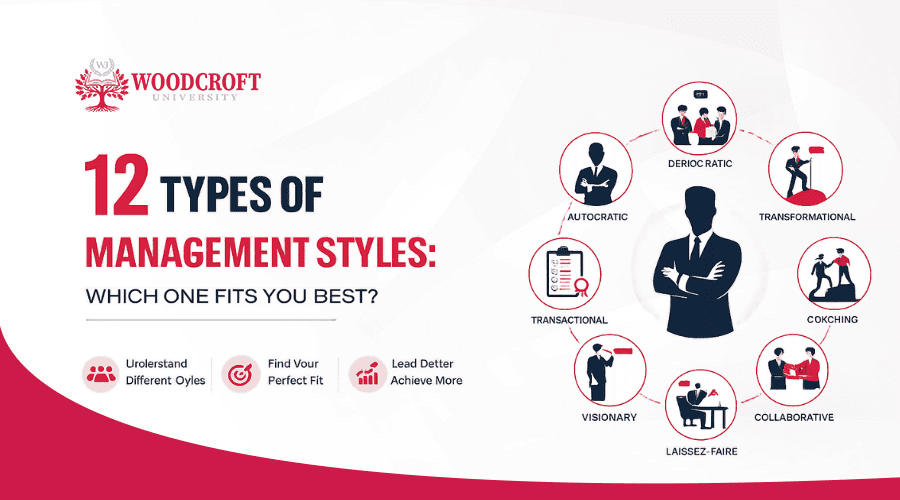
Each management style has unique strengths and weaknesses depending on the workplace environment and business goals. Autocratic management focuses on control and fast decisions, while democratic management encourages teamwork and employee participation. Transformational leadership inspires innovation, whereas transactional management emphasizes rules and rewards. Laissez-faire management provides freedom, while bureaucratic management follows strict procedures. Coaching and servant leadership focus on employee growth and support. Collaborative management improves teamwork, and pacesetting leadership drives high performance. Understanding these differences helps organizations choose the best management style according to employee needs, company culture, and long-term objectives.
Advantages and Disadvantages of Each Management Style
Every management style offers benefits and challenges. Autocratic leadership improves efficiency but may reduce employee creativity. Democratic management increases employee engagement but slows decision-making. Transformational leadership motivates employees but may create performance pressure. Transactional management ensures discipline but limits innovation. Laissez-faire leadership encourages independence but may reduce accountability. Bureaucratic management improves consistency but restricts flexibility. Coaching management supports employee growth but requires significant time investment. Pacesetting leadership increases productivity but may cause burnout. Managers must understand both advantages and disadvantages before selecting the right leadership approach for their teams and organizational goals.
How to Choose the Best Management Style for Your Team
Choosing the best management style depends on team size, employee skills, workplace culture, and business objectives. Managers should analyze whether employees need supervision, motivation, flexibility, or collaboration. Experienced teams may perform better under laissez-faire or collaborative leadership, while new employees may require coaching or transactional management. Industry type and organizational structure also influence leadership decisions. Effective managers remain flexible and adapt their approach based on changing business situations. Communication, emotional intelligence, and employee feedback are important when selecting the right style. A balanced management approach improves productivity, teamwork, and employee satisfaction.
Common Mistakes Managers Make While Leading Teams
Many managers fail because they use inappropriate leadership styles or ignore employee needs. One common mistake is micromanagement, where managers control every small task and reduce employee confidence. Poor communication is another issue that creates confusion and workplace conflict. Some managers also avoid employee feedback, leading to low morale and reduced engagement. Inconsistent decision-making and lack of flexibility can negatively affect productivity. Managers who focus only on results without supporting employees may increase stress and burnout. Successful leaders avoid these mistakes by maintaining communication, trust, fairness, and adaptability within their teams.
Best Management Style for Modern Workplaces
Modern workplaces require flexible and employee-focused management styles. Collaborative, transformational, coaching, and democratic leadership styles are becoming increasingly popular because they encourage teamwork, innovation, and employee engagement. Remote work environments also require managers to trust employees while maintaining clear communication and accountability. Companies today focus more on employee well-being, diversity, and work-life balance, making supportive leadership styles more effective. However, no single management style works perfectly in every situation. Successful organizations often combine multiple approaches to handle changing workplace demands and employee expectations while maintaining productivity and business growth.
Management Styles Examples in Real Businesses
Different companies use different management styles based on their goals and industry requirements. Technology companies often use transformational and collaborative leadership to encourage innovation and creativity. Manufacturing industries may prefer transactional or autocratic management to maintain discipline and efficiency. Customer service organizations commonly use coaching and servant leadership to improve employee performance and customer satisfaction. Startups often adopt visionary leadership styles to inspire growth and adaptability. Real-world examples show that effective management depends on balancing employee needs with business objectives. Successful companies continuously adjust their leadership approaches according to market trends and organizational challenges.
Skills Required to Become an Effective Manager
Effective managers need strong leadership, communication, and problem-solving skills. Time management and decision-making abilities help managers handle workplace responsibilities efficiently. Emotional intelligence is also important because managers must understand employee needs, resolve conflicts, and build positive relationships. Adaptability helps leaders respond to changing business conditions and workplace challenges. Managers should also have motivational and team-building skills to improve employee engagement and productivity. Technical knowledge and strategic thinking are valuable for achieving organizational goals. Continuous learning and self-improvement allow managers to become better leaders and create successful work environments for their teams.
Future Trends in Management and Leadership Styles
Management styles are evolving as workplaces become more digital and employee-focused. Future leadership trends emphasize flexibility, remote collaboration, diversity, and employee well-being. Companies are increasingly using technology, artificial intelligence, and data-driven decision-making to improve management processes. Transformational and collaborative leadership styles are expected to grow because businesses need innovation and adaptability in competitive markets. Managers will also focus more on mental health, work-life balance, and employee development. Organizations that adopt modern management practices will attract talented employees and improve long-term business success. The future of management will require leaders who are adaptable, empathetic, and technology-driven.
Conclusion
Understanding the different types of management styles is essential for building successful teams and organizations. Every management style has unique strengths, challenges, and applications depending on workplace goals and employee needs. From autocratic and transactional leadership to collaborative and servant management, each approach influences productivity, communication, and employee satisfaction differently. Effective managers know when to adapt their leadership style according to business situations and team requirements. Modern workplaces demand flexible, supportive, and innovative leadership approaches that encourage growth and teamwork. By selecting the right management style, businesses can improve performance, employee engagement, and long-term organizational success.
Frequently Asked Questions
"I am Brandon Johnson, a professional content writer who creates informative content about online education, digital learning platforms, and career-focused courses. I aim to help readers find the best opportunities in modern education."
Brandon Johnson